

What are the Mineral Processing Processes?
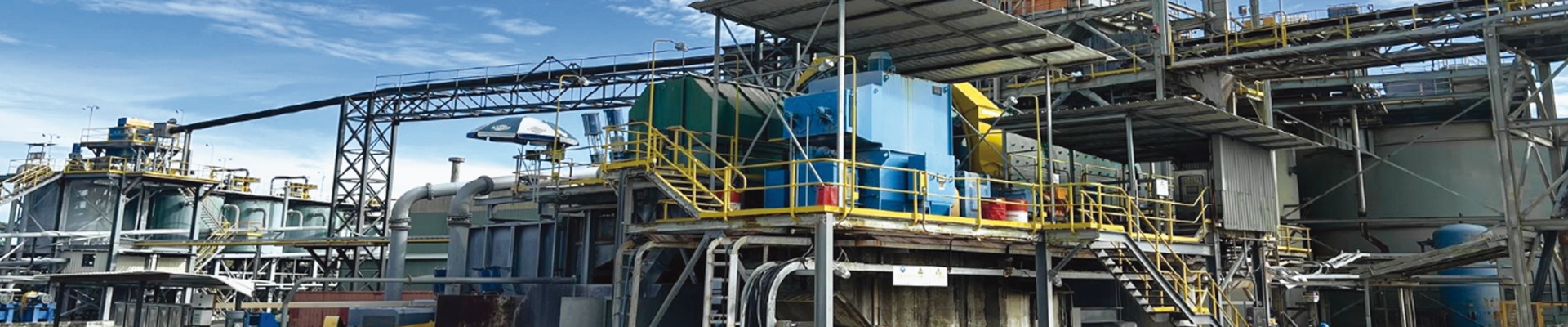
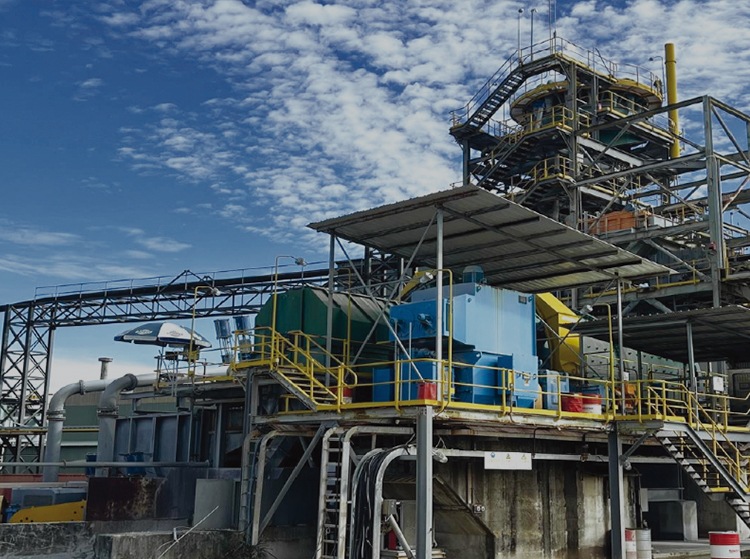
Mineral processing refers to the process of separating valuable minerals from raw ore through a series of processing methods based on the differences in physical and chemical properties of minerals. It improves ore grade and obtains concentrate products that meet industrial production requirements.
A complete mineral processing production line mainly includes seven standard procedures: Crushing → Screening → Grinding → Classification → Separation → Dewatering → Tailings Treatment.
1. Crushing Process
Crushing is the first procedure of mineral processing. It crushes large raw ore mined from the mine into fine particle sizes suitable for subsequent processing. Common equipment includes jaw crushers, cone crushers, impact crushers and gyratory crushers. A three-stage crushing system (primary, secondary and fine crushing) is generally adopted to reduce ore particle size and improve grinding efficiency.
2. Screening Process
Screening classifies crushed ores by particle size through different screen aperture sizes. The main equipment includes vibrating screens and drum screens. Screening optimizes crushing efficiency and ensures the ore particle size meets the standard for the next processing stage.
3. Grinding Process
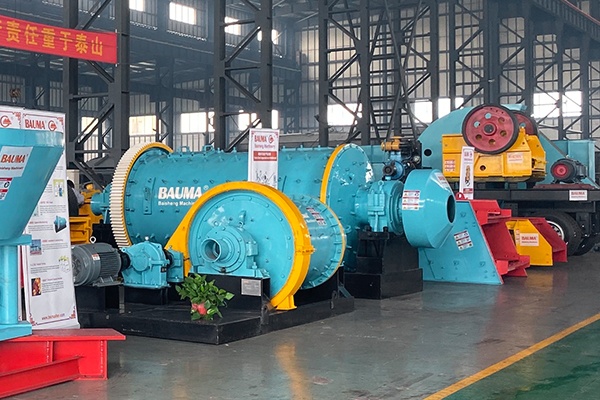
Grinding is a key procedure in mineral processing. It fully dissociates valuable minerals from gangue minerals. Common grinding equipment includes ball mills, rod mills, autogenous mills and semi-autogenous mills. Reasonable grinding fineness directly affects subsequent mineral processing indicators and concentrate recovery rate.
4. Classification Process
Classification is used to control pulp particle size and deliver qualified mineral particles to the separation operation. Main equipment includes hydrocyclones and spiral classifiers. It effectively avoids over-grinding and under-grinding and greatly improves mineral processing efficiency.
5. Separation Process
As the core procedure of mineral processing, separation separates valuable minerals from waste rock and impurities according to mineral property differences. The common separation methods are as follows:
Gravity separation: separates minerals based on density differences;
Magnetic separation: realizes mineral separation by magnetic property differences;
Flotation: uses chemical reagents to attach valuable minerals to air bubbles based on surface physicochemical differences;
Chemical mineral processing: dissolves and extracts valuable elements through chemical reactions.
6. Dewatering Process
Dewatering realizes solid-liquid separation of concentrate pulp, increases concentrate concentration, and makes finished products suitable for storage, transportation and industrial application.
7. Tailings Treatment Process
Tailings treatment is an important part of modern green mining. It realizes water recycling and harmless disposal of tailings to ensure environmentally friendly and standardized mine production.
Mineral processing is a systematic project. Every link from crushing and grinding to separation and tailings treatment affects the final concentrate quality and economic benefits. Adopting reasonable processing flows and advanced equipment can improve resource utilization, reduce production costs, and realize efficient, environmentally friendly and sustainable mine development.